Tiny House QLD: Your No-Fluff Guide to Getting Started in 2025
A tiny house QLD project could save you up to seven times the cost of a traditional one-bedroom unit on the Gold Coast, where median prices hover around $1.17 million. This affordable housing alternative is gaining significant momentum across Australia, offering both sustainability and financial freedom.
While tiny houses in Queensland present an attractive option, navigating the regulatory landscape requires careful consideration. In fact, across Queensland’s 77 local councils, regulations and acceptance levels vary significantly. For those considering a tiny house on wheels, these structures are typically classified as caravans, often simplifying the approval process. However, fixed tiny homes require specific building and plumbing approvals as they’re considered permanent dwellings under the planning framework.
This comprehensive guide will walk you through everything you need to know about starting your tiny house journey in Queensland, from understanding regulations to making smart financial decisions.
Understanding Tiny House Options in Queensland
When exploring tiny house options in Queensland, you’ll encounter two distinct categories that shape your entire project approach. Fixed tiny houses are permanent structures attached to foundations, whereas moveable dwellings offer flexibility through wheel-based designs.
Fixed vs. Moveable Dwelling Choices
Your fixed tiny house must meet the same building standards as traditional homes, including proper footings and infrastructure connections. Additionally, these structures require building and plumbing approvals before installation.
Alternatively, movable tiny houses offer more flexibility. These homes, typically built on trailers, must stay within specific size limits: 2.5m wide, 4.3m high, 12.5m long, and 4.5 tons maximum. Furthermore, they’re often classified as caravans, simplifying some regulatory requirements.
Key Features of Queensland-Approved Tiny Houses
For your Queensland-approved tiny house, certain features are essential:
- Minimum floor area of 50 square metres for fixed dwellings
- Self-contained facilities including:
- Food preparation area
- Bath or shower
- Toilet and wash basin
- Clothes washing facilities
Cost Comparison with Traditional Housing
Your tiny house investment can be substantially lower than traditional housing options. Specifically, entry-level models start from approximately AUD $19,800, whereas traditional homes typically range from AUD 382,247 to over AUD 764,495.
Moreover, tiny houses offer ongoing savings through:
- Reduced utility bills
- Lower maintenance costs
- Minimal property taxes
For customisation options, mid-range models begin at around AUD $19,800, whereas high-end designs with premium features can reach up to AUD $39,600.
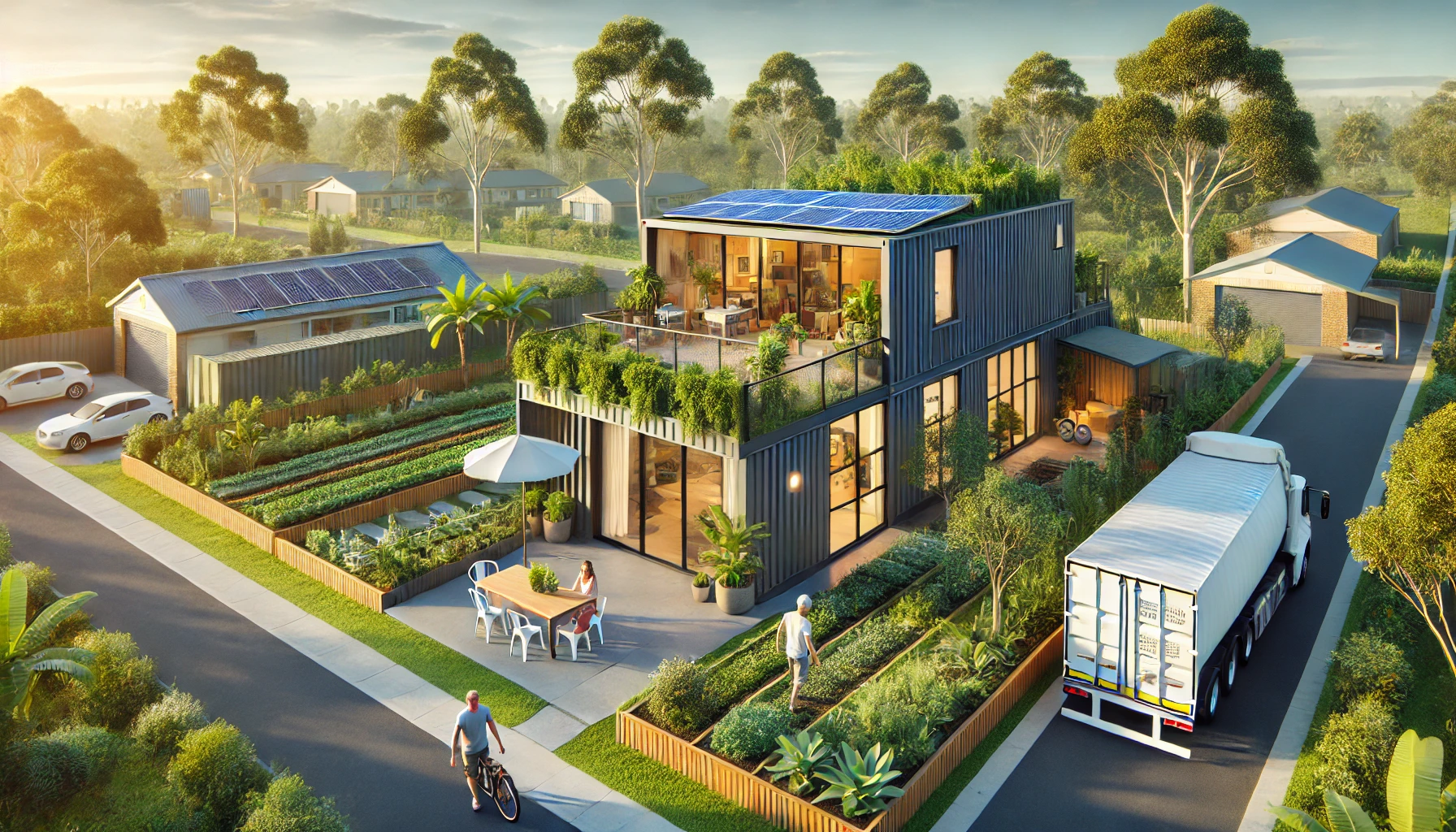
Queensland Tiny House Regulations Made Simple
Initially, understanding Queensland’s tiny house regulations might seem daunting, but the framework is actually quite straightforward. The Queensland planning framework doesn’t specifically define tiny houses but rather classifies them based on their construction type and intended use.
Current Legal Framework for Tiny Houses
Your tiny house falls under two main categories in Queensland’s legal framework. Fixed tiny homes are considered dwellings under the planning framework, accordingly requiring building and plumbing approvals. For movable tiny houses, the regulations primarily focus on size limits and residential park requirements.
Council-Specific Requirements
Generally, individual councils maintain authority over tiny house regulations. Here’s what you need to know about council requirements:
- Gold Coast permits permanent residence in wheel-based tiny houses on private property, provided you obtain:
- Building and plumbing approval
- Camping area licence
- Cairns Regional Council allows permanent tiny house living, particularly if it’s the only dwelling on your lot.
Navigating Permits and Approvals
Obtaining the right approvals is essential for your tiny house project. Unless your tiny house is on wheels and located in a caravan park, you’ll need several approvals:
- Development Approval for Building Work
- Compliance Permit for Plumbing and Drainage Work
- Development Approval for Material Change of Use
- Local Law Approval for Temporary Homes
Consequently, if your tiny house includes its own bathroom, laundry, and kitchen, you’ll need to check with your local council regarding secondary dwelling or dual occupancy use. For temporary accommodation, some councils permit living in a tiny house for up to six months within a twelve-month period.
Smart Site Selection for Your Tiny House
Finding the perfect spot for your tiny house in Queensland starts with careful site evaluation. Rural land often presents the most viable options, primarily due to fewer restrictions and more space.
Evaluating Potential Locations
Your ideal location depends on whether you’re planning a fixed or moveable tiny house. Rural properties typically offer:
- Flat, stable ground for foundation setup
- Decent access for towing
- Adequate distance from property boundaries
- Natural drainage patterns
- Proximity to essential services
Property Requirements and Restrictions
Essential considerations for your tiny house plot extend beyond just finding an attractive location. Subsequently, you’ll need to verify that your chosen site meets several crucial requirements:
- You can’t place a tiny house permanently on a vacant block without existing dwelling permission.
- The structure must not block neighbours’ views or sit too close to fences.
- Suburban developments typically won’t permit tiny houses on vacant blocks.
Connection to Utilities and Services
Essentially, you have two main options for utility connections. For electricity, you can either connect to the local power grid or opt for solar panels. Water access alternatives include:
Municipal Connections: Ideal for urban/suburban locations
Rainwater Harvesting: Popular for rural settings
Well Water: Subject to local regulations
Ultimately, if you’re considering off-grid living, rural land presents the most suitable choice. Alternatively, urban and suburban areas offer easier access to existing utility networks, though they come with stricter zoning requirements.
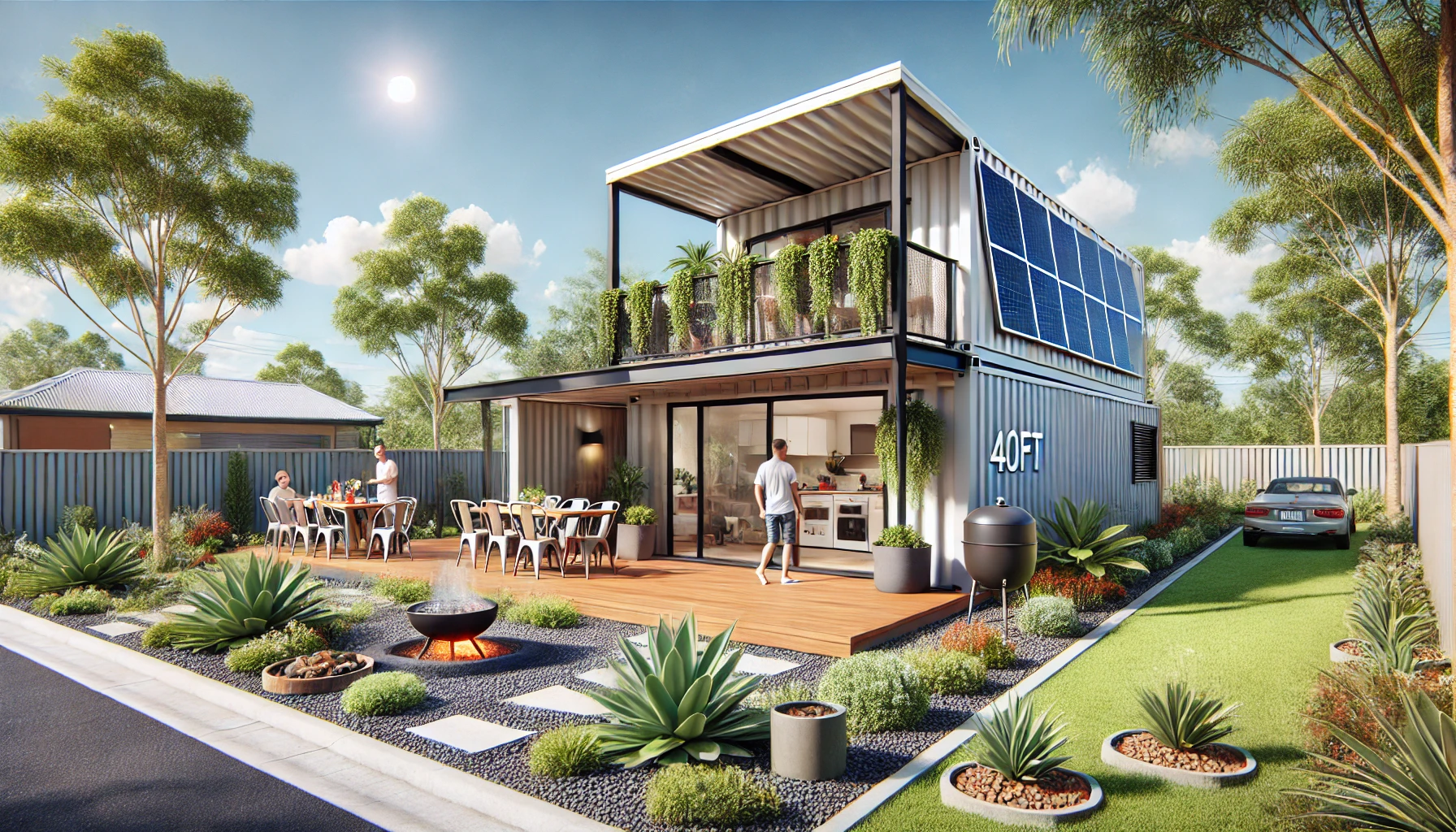
Financial Planning for Your Tiny House Journey
Making smart financial choices starts with understanding the true cost of your tiny house investment. Certainly, the upfront price is lower than traditional housing, with entry-level models starting from AUD $19,800 GST inclusive.
Financing Options and Considerations
Essentially, most traditional home loans won’t apply to tiny houses since they’re often classified as caravans. Nevertheless, specialised financing options exist through partner lenders, offering:
- Loans ranging from AUD 3,059 to 70,000
- Payment terms up to 7 years
- Interest rates starting from 6.29% p.a.
To qualify for financing, you’ll need to provide:
- Recent payslips
- 90 days of bank statements
- Australian Driver’s Licence
- Medicare card
Hidden Costs and Budget Planning
Ultimately, your total investment extends beyond the purchase price. Soon after deciding on your tiny house, you’ll need to account for:
- Delivery fees vary by location:
- South East Queensland: AUD 2.40/km + GST
- New South Wales: AUD 3.00/km + GST
- Victoria: AUD 4.50/km + GST
Land preparation costs, namely, include decking or concrete slabs. Additionally, consider utility setup expenses, which might involve solar panels and composting toilets for off-grid solutions.
For perspective, many tiny house owners report that their investment equals roughly five years of rent payments. Furthermore, with proper planning, you could be debt-free within two years.
Conclusion
Tiny house living in Queensland offers a practical path towards affordable homeownership, especially when traditional housing costs continue rising. While fixed tiny houses require specific building approvals, moveable options provide flexibility under caravan classifications, making your choice dependent on lifestyle needs and local council requirements.
Starting your tiny house QLD journey demands careful planning. Land selection proves crucial, particularly in rural areas where regulations tend to be more accommodating. Smart budgeting helps manage both obvious and hidden costs, ranging from AUD $19,800 for basic models to AUD $39,600 for premium builds.
Building a tiny house costs roughly five times less than buying a traditional home, allowing debt-free living within two years through proper financial planning. Though regulations vary across Queensland’s councils, this housing alternative delivers both sustainability benefits and financial freedom, making it worth considering as your next home choice.
Tiny House QLD FAQs
Q1. Are council approvals necessary for tiny houses in Queensland? Council approval is generally required for tiny houses in Queensland, unless your tiny house is on wheels and located in an approved caravan park. Fixed tiny homes need building and plumbing approvals, while moveable tiny houses may have simpler requirements depending on the local council.
Q2. Can I live in a tiny house on my own property in Queensland? Living in a tiny house on your own property in Queensland is possible, but regulations vary by council. Some councils allow permanent residence in wheel-based tiny houses with proper approvals, while others may permit temporary living for up to six months within a twelve-month period. It’s essential to check with your local council for specific requirements.
Q3. What are the cost differences between tiny houses and traditional homes in Queensland? Tiny houses in Queensland can be significantly more affordable than traditional homes. Entry-level tiny house models start from approximately AUD 19,800, while traditional homes typically range from AUD 382,247 to over AUD 764,495. This substantial cost difference allows for potential debt-free living within a shorter timeframe.
Q4. What are the financing options for tiny houses in Queensland? Financing options for tiny houses in Queensland differ from traditional home loans. Specialised lenders offer loans ranging from AUD 3,059 to 70,000, with payment terms up to 7 years and interest rates starting from 6.29% p.a. To qualify, you’ll need to provide recent payslips, bank statements, and identification documents.
Q5. What are the key features required for approved tiny house QLD? Queensland-approved tiny houses must include self-contained facilities such as a food preparation area, bath or shower, toilet and wash basin, and clothes washing facilities. Fixed tiny dwellings require a minimum floor area of 50 square metres, while moveable tiny houses must adhere to specific size limits: 2.5m wide, 4.3m high, 12.5m long, and 4.5 tonnes maximum.
You may be interested in these articles related to Tiny House QLD
Tiny Homes Queensland: A Guide to Affordable and Eco-Friendly Living
Off Grid Tiny Houses: Embrace Sustainability and Nature
Future of Housing: The Rise of Container Homes
Tiny House Queensland: Can You Legally Build on Your Property? [2025 Guide]
Brisbane Tiny Houses The Rules
If you are interest in move into a tiny home, make the move today, contact Instant Living.


